Caught Off-Script: Why the Messiest Behind-the-Scenes Moments Are the Sexiest Things Stars Ever Accidentally Make
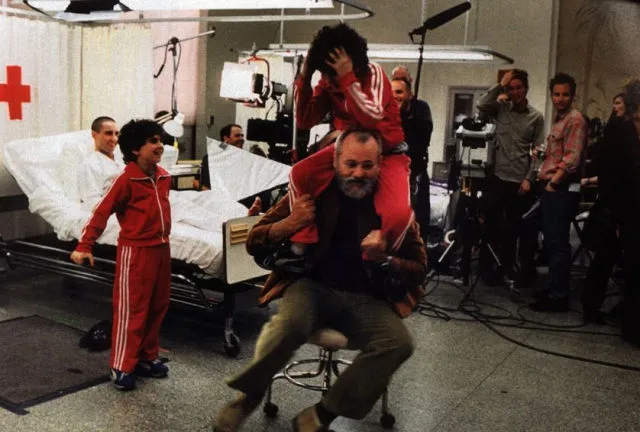
Photo: celebrity candid behind the scenes film set laughing unguarded moment, via img.izismile.com
There's a specific kind of pull that happens when you see a celebrity in a moment they didn't plan for you. Maybe it's a shaky phone video from a set assistant that somehow made it to Twitter at 2am. Maybe it's a candid photo snapped between takes where the lighting is bad, the hair isn't done, and the expression on their face is something you've never seen in any interview or photo shoot. Something in your brain lights up differently. It feels forbidden. It feels real. And real, it turns out, is the hottest thing going.
Welcome to the Slip-Up Effect — the phenomenon where unscripted, behind-the-curtain celebrity content consistently outperforms everything the PR machine carefully assembles.
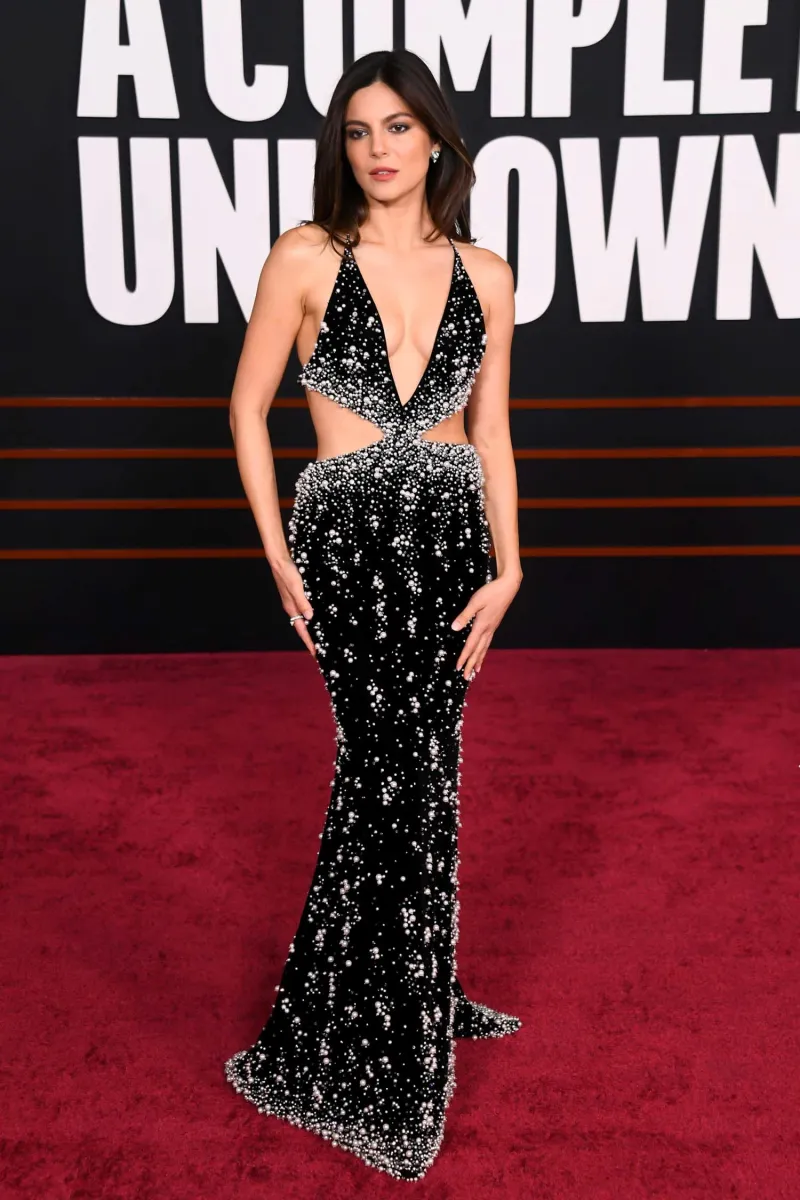
The Red Carpet Is Perfect. That's Exactly the Problem.
Here's the thing about polished celebrity content: we've been marinating in it for so long that our brains have developed a kind of immunity. We see the spray tan, the stylist, the rehearsed answer to "who are you wearing" and we process it all in about half a second before scrolling on. It's beautiful, sure. But beauty without friction doesn't stick.
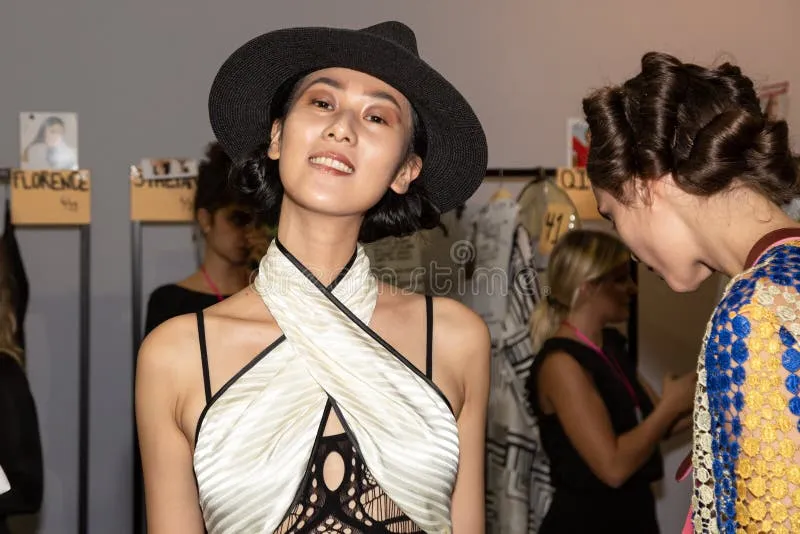
Behind-the-scenes content introduces friction. It introduces the unexpected. A blooper reel where an A-lister keeps cracking up and can't hold it together tells you something about their actual laugh — not the camera-ready smile, but the full-body, slightly-ugly, completely genuine version. That laugh lives in your head rent-free for a week. The red carpet smile? Gone before you hit the next post.
Psychologists who study parasocial relationships — the one-sided emotional bonds fans develop with celebrities — have noted that perceived authenticity is one of the strongest drivers of attachment. When something feels real, we lean in harder. The imperfect moment doesn't diminish the star. It humanizes them in a way that makes us want to get closer.
The Hot Mic Era Changed Everything
Remember when a hot mic moment was a career-ending disaster? That calculus has completely flipped. Now, catching a celebrity saying something unfiltered — whether it's a quiet aside to a co-star, a frustrated comment about a director, or just an off-color joke that wasn't meant for public consumption — generates a wave of engagement that no publicist could manufacture.
We've seen it play out again and again. An actor venting between takes gets clipped and goes viral. A singer caught in an argument at a venue becomes a trending topic for 48 hours. A reality TV personality's unaired confessional leaks and suddenly everyone who'd written them off is obsessed again. The content wasn't made for us. That's the entire point. It feels like we're getting something we weren't supposed to have — and that sense of access is deeply, weirdly intoxicating.
There's a voyeuristic dimension to this that's worth naming directly. The appeal of the unguarded moment carries the same energy as catching someone in a private space. Not in a harmful way — but in that electric, pulse-quickening way that comes from seeing the version of a person that isn't performed for an audience. It's the difference between a posed shot and a candid. One is given. One is taken. And we want what's taken.
When 'Accidental' Becomes a Strategy
Here's where it gets genuinely fascinating — and a little delicious in its own right. The savviest celebrities and their teams figured out years ago that the accidental aesthetic could be engineered. What looks like a leaked set photo might be a carefully timed drop from a second-tier account with plausible deniability. The "candid" street shot? Tipped to the photographer. The off-the-cuff social media story posted at midnight that shows a star looking effortlessly gorgeous in their kitchen? Shot three times and filtered twice.
It's manufactured authenticity — and it works almost as well as the real thing, because the feeling it produces in the audience is identical. We think we're getting access. We think we're seeing something unguarded. Whether or not that's technically true barely matters, because the emotional response is the same: closeness, intimacy, the sense that the wall came down even briefly.
Stars like Zendaya, Pedro Pascal, and Sydney Sweeney have all mastered this register to varying degrees. Their behind-the-scenes content — whether it's actually candid or strategically seeded — consistently performs better than their official promotional material. It feels like hanging out rather than being marketed to, and audiences in 2024 will walk through fire for content that doesn't feel like content.
The Blooper-to-Obsession Pipeline Is Real
Let's talk about bloopers specifically, because they deserve their own moment. There is a direct, documented pipeline from "blooper reel clip" to "I am now completely feral about this person." It happens constantly. An actor fumbles a dramatic line and loses it laughing, and suddenly the entire internet needs to protect them. A musician forgets their own lyrics on stage and handles it with zero grace, and their fanbase doubles.
The blooper works because it collapses the distance between the icon and the human. You watch someone mess up and recover and you think: I do that. I know that feeling. And in that flash of recognition, something shifts. They're not untouchable anymore. They're reachable. And reachable is irresistible.
There's also a physical dimension here that's worth sitting with. Unguarded moments often catch people in postures and expressions they'd never consciously choose for a camera. A surprised face. A genuine wince. The way someone's body moves when they think no one's watching. These micro-glimpses land differently than posed content because they feel like data we weren't supposed to collect — and our brains treat forbidden data like treasure.
The Takeaway: Imperfection Is the New Power Move
If you're looking for a through-line here, it's this: in an era of over-curated, algorithmically optimized celebrity image-making, the slip-up has become the most potent tool in the arsenal. The stumble. The candid. The hot mic moment. The between-takes photo where the lighting is wrong and the expression is weird and everything is slightly off-brand.
That stuff hits harder than anything a team of stylists and publicists can build, because it taps into something primal — the desire to see the real person behind the persona, even if just for a second. Especially if just for a second.
And the stars who understand this? They're giving you the slip-up on purpose. They're letting you think you caught something. They're handing you the feeling of access like it's contraband, watching you run with it.
Honestly? Respect the hustle. And yeah — it's working on all of us.